
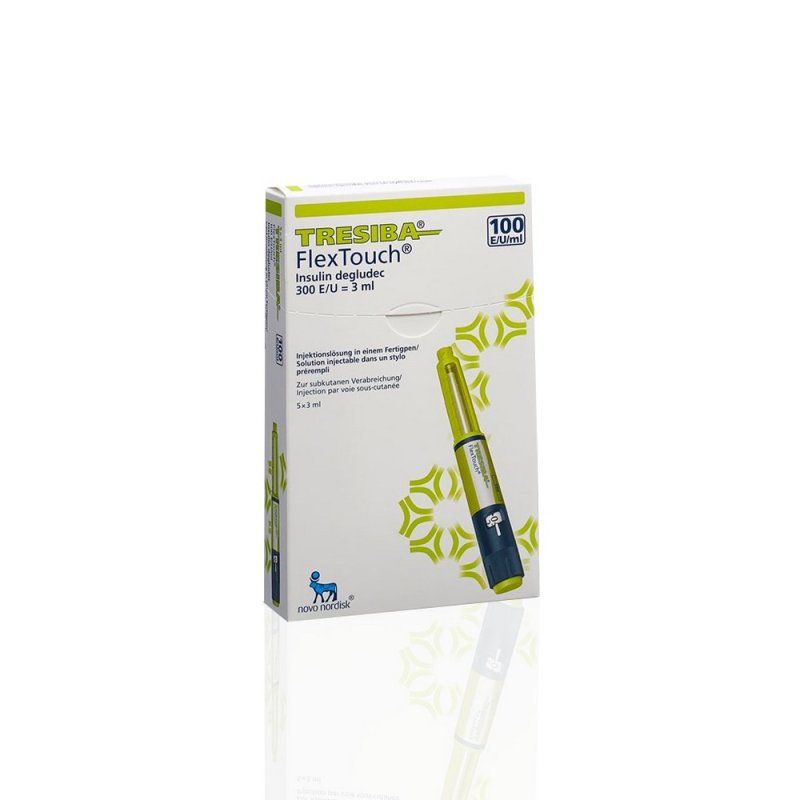
Characteristics of the product
TRESIBA Pen 100 IU, produced by Novo Nordisk, is an advanced insulin delivery system designed for individuals with diabetes. This product is part of a new generation of long-acting insulin formulations, providing a stable and consistent glucose-lowering effect throughout the day. It operates with a unique mechanism that offers flexibility in dosing schedules, making it suitable for athletes and those engaged in intensive training regimes. TRESIBA is particularly noted for its ability to maintain steady blood sugar levels, reducing the risk of hypoglycemia, which is essential for those managing diabetes while participating in sports activities.
Composition of the product
The composition of TRESIBA Pen 100 IU includes insulin degludec as its active component, a recombinant insulin analogue. This formulation ensures that the insulin molecules form a multi-hexameric structure when in the presence of zinc ions, allowing for a delayed absorption in the bloodstream. Additionally, TRESIBA contains other excipients that are crucial for its stability and patient administration, including phenol, meta-cresol, and sodium chloride. This precise formulation enables the pen to provide a long duration of action, ensuring that users experience optimal insulin coverage for extended periods.
Dosage form
TRESIBA is available in a pen-injector format, specifically designed for ease of use and portability. The pre-filled pen contains 100 IU/ml of insulin degludec, making it straightforward for patients to measure and administer their required doses accurately. This pen format is user-friendly, featuring a dial that allows for precise dosage adjustments. The device is also equipped with safety features to reduce the risk of accidental needle sticks, which is particularly valuable for athletes who might be on the go, ensuring they manage their insulin therapy safely and effectively.
Pharmacotherapeutic group
TRESIBA Pen belongs to the pharmacotherapeutic group of antidiabetic agents, specifically classified under long-acting insulins. This category encompasses drugs that help regulate blood glucose levels over a prolonged duration, essential for maintaining metabolic balance in diabetic patients. The long-acting characteristics of TRESIBA allow for a once-daily administration, providing stable basal insulin coverage, which plays a significant role in preventing blood sugar spikes that can be detrimental, especially during athletic endeavors.
Pharmacological properties
The pharmacological properties of TRESIBA Pen stem from its active ingredient, insulin degludec. Its unique formulation allows for a prolonged half-life due to its subcutaneous absorption mechanism, which provides insulin release over an extended period. This leads to a consistent and stable pharmacokinetic profile compared to other insulins, which may have more fluctuating effects. The long duration of action not only reduces the frequency of injections but also minimizes the risk of hypoglycemic episodes, an important consideration for athletes who require stable energy levels during training and competition.
Application features
When using TRESIBA Pen 100 IU, several application features must be considered. The pen is designed for subcutaneous administration, typically injected into the abdominal area, thigh, or upper arm. Due to its long-acting nature, users have flexibility in timing their doses, which can be particularly advantageous for athletes with varying training schedules. It is essential for users to rotate injection sites to avoid lipodystrophy, a condition that can arise from repeated injections in the same area, which may affect the absorption rates of insulin.
Method of administration and dosages
To achieve optimal management of blood glucose levels, it is crucial to administer TRESIBA correctly. The usual recommendation for adults and adolescents is a starting dose of 10 IU or adjusted according to individual requirements based on blood glucose monitoring. Users should administer TRESIBA once daily at any time of the day, making sure to maintain consistent timing between doses. It is also advisable to monitor blood glucose levels frequently, particularly during changes in lifestyle, which includes alterations in dietary intake or physical activity, to prevent any adverse effects associated with insulin therapy.
Indications for use
TRESIBA Pen 100 IU is indicated for the management of diabetes mellitus in both adults and children aged one year and older. It is particularly beneficial for those who require long-acting insulin to achieve optimal glycemic control. The product is often prescribed as part of a comprehensive treatment plan that may include dietary modifications and exercise programs. For athletes, TRESIBA can assist in maintaining stable glucose levels, reducing the risks associated with unpredictable insulin spikes or drops during training sessions and competitive events.
Contraindications
While TRESIBA Pen is highly effective for many, it does have certain contraindications. It should not be used by individuals with hypersensitivity to insulin degludec or any of its excipients as this could lead to severe allergic reactions. Moreover, it is contraindicated during episodes of hypoglycemia, where immediate medical attention is necessary. People with a condition known as diabetic ketoacidosis should also avoid using TRESIBA, as it is not intended for the treatment of this acute metabolic condition.
Interaction with other drugs
It is essential to assess for potential drug interactions when using TRESIBA Pen 100 IU. Various medications may influence insulin metabolism, affecting glucose control. For instance, drugs such as corticosteroids and thiazide diuretics could potentially lead to elevated blood glucose levels, necessitating adjustments in insulin dosage. Conversely, certain other antihyperglycemic agents can enhance the effect of insulin, thus increasing the risk of hypoglycemia. As a rule, all ongoing medications should be reviewed before starting TRESIBA to ensure safe management of diabetes without adverse interactions.
Overdose
An overdose of TRESIBA can lead to severe hypoglycemia, a condition characterized by critically low blood sugar levels. Symptoms may include dizziness, confusion, irritability, or in more serious cases, loss of consciousness. Immediate treatment is required to raise blood glucose levels, often necessitating the ingestion of quick-acting carbohydrates such as glucose tablets or sugary drinks. Severe cases may require administration of glucagon or hospital treatment. Regular monitoring and adherence to prescribed dosages can help mitigate the risk of overdose.
Side effects
Like any medication, TRESIBA Pen 100 IU may present side effects, although not all users will experience them. The most common adverse effect is hypoglycemia, which can occur if the administered dose exceeds the body’s need for insulin. Other potential side effects include injection site reactions, such as redness, itching, or swelling, which may vary based on the injection technique. Rarely, some individuals may develop an allergic reaction or lipodystrophy in areas where injections are repeatedly administered. Continuous monitoring and consultation with healthcare professionals can help manage any emerging side effects.
Buy the TRESIBA Pen 100 IU Novo Nordisk in UK — advantages of purchase, convenience of ordering, and delivery
Purchasing TRESIBA Pen 100 IU Novo Nordisk in the UK offers several advantages, particularly for those seriously engaging in sports and fitness. The convenience of online ordering allows users to access their medication discreetly and efficiently, ensuring they maintain their regimen without interruptions. Many online pharmacies provide prompt delivery services directly to your doorstep, which is especially beneficial for athletes who may have unpredictable schedules due to training or events. Moreover, reputable pharmacies often offer competitive pricing and patient support services to facilitate the management of diabetes, giving peace of mind to users committed to their health.
| Features | |
| Active substance | Insulin Degludec |
| Also known as | Exogenous insulin |
| Blood pressure | Can indirectly affect blood pressure by altering blood glucose levels |
| Chemical name | Insulin |
| Dosage (medical) | Depends on the patient's insulin sensitivity, carbohydrate intake, and blood glucose level, typically ranges from 0.5 to 1 unit/kg per day |
| Dosage (sports) | Not recommended for non-medical use |
| Effects | Decreases blood glucose, increases cellular glucose uptake, promotes glycogen synthesis |
| Formula | C257H383N65O77S6 (for human insulin) |
| Half-life | Varies by type (Rapid-acting: 2-4 hours, Short-acting: 3-6 hours, Intermediate-acting: 12-18 hours, Long-acting: 20-24 hours) |
| Hepatotoxicity | No hepatotoxic effects known |
| Lab Test | Blood insulin levels, C-peptide test |
| Main action | Lowers blood glucose levels |
| Side effects | Hypoglycemia, weight gain, insulin resistance, allergic reactions |
| Storage conditions | Must be kept refrigerated (2-8 degrees Celsius), avoid freezing |
| Substance class | Hormone, peptide |
| Trade name | Humulin, Novolin, Lantus, among others |
| Use in sports | Misused for anabolic purposes |
| Water Retention | Can cause modest water retention |
| Active ingredient, IU | 100 |
| Release form | Pen |
| Manufacturer | Novo Nordisk |
| Packing | Pen |