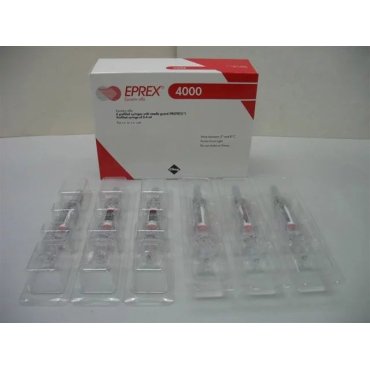
Erythropoietin: An Overview of Its Role and Market Impact
Erythropoietin, often abbreviated to EPO, is a vital glycoprotein hormone primarily produced by the kidneys. It plays a crucial role in the regulation of red blood cell (RBC) production, or erythropoiesis, in the bone marrow. This hormone is integral to maintaining adequate oxygen levels in the blood as it promotes the differentiation of erythroid progenitor cells into mature RBCs. In medical contexts, Erythropoietin has garnered significant attention due to its applications in treating various forms of anemia, particularly in patients with chronic kidney disease (CKD) and those undergoing chemotherapy.
In recent years, the market for Erythropoietin has expanded considerably, driven by increasing awareness of anemia as a widespread health issue and a growing population of patients with CKD. Erythropoietin products, including recombinant forms, have become essential in both hospital settings and independent practices, impacting the lives of consumers significantly. The introduction of biosimilars has further diversified this market, providing patients with more affordable treatment options. As a result, Erythropoietin not only serves a critical clinical function but also reflects broader trends in patient care, cost management, and technological advancements in drug production.
Key Characteristics and Contraindications of Erythropoietin Products
- Indications for Use: Erythropoietin is primarily indicated for the treatment of anemia in patients with CKD, those undergoing chemotherapy, and individuals facing anemia due to HIV treatments.
- Administration: Erythropoietin can be administered subcutaneously or intravenously, depending on the patient’s condition and treatment protocol.
- Monitoring Requirements: Regular monitoring of hemoglobin levels is necessary to avoid complications such as hypertension or thromboembolic events, as excessive dosing can lead to increased red blood cell production.
- Potential Side Effects: Potential side effects can include high blood pressure, fever, headache, and nausea. Serious but rare side effects may also arise.
- Contraindications: Erythropoietin is generally not recommended for:
- Pregnant women, due to lack of sufficient safety data.
- Children, except in specific conditions where a physician advises its use.
- Patients with uncontrolled hypertension, as this may exacerbate their condition.
- Certain malignancies, where stimulation of erythropoiesis could potentially accelerate tumor growth.
- Individuals with hypersensitivity to the active substance or any excipient in the formulation.
Current Trends and Developments in Erythropoietin
The realm of Erythropoietin is witnessing several significant trends and developments. With advancements in biotechnology, the production of biosimilars has emerged as a key trend, aiming to provide cost-effective alternatives to original Erythropoietin formulations. This shift not only increases patient access to necessary treatments but also sparks competitive pricing in the pharmaceutical market.
Moreover, personalized medicine is becoming increasingly relevant in the management of anemia. Ongoing research into genetic markers and patient-specific factors is expected to fine-tune Erythropoietin therapies, allowing physicians to administer more targeted treatments. Furthermore, the aging population, susceptible to chronic diseases and anemia, propels the demand for Erythropoietin products, stimulating further research and development endeavors.
Finally, the integration of digital health solutions, such as telemedicine and patient monitoring applications, is enhancing how Erythropoietin therapies are managed. These technologies enable real-time monitoring of patients’ responses to treatment and foster personalized care, reflecting a broader shift towards holistic patient management practices in the healthcare system.
The Place of Erythropoietin in Healthcare
In summary, Erythropoietin occupies a unique and vital niche within the healthcare landscape, primarily as a therapeutic agent for anemia management. Its significance is pronounced among populations suffering from chronic conditions and those undergoing treatments that may induce secondary anemia. The ongoing innovations and adaptations within the Erythropoietin market not only reflect the changing needs of patients but also the evolving landscape of healthcare itself.
Healthcare professionals and policymakers recognize the importance of Erythropoietin as a cornerstone in treating anemia and enhancing patients' quality of life. With a continued focus on access, safety, and efficacy, Erythropoietin is poised to remain a fundamental element of supportive care frameworks, enabling clinicians to address the challenges of anemia effectively and efficiently.
Erythropoietin price in BuySteroidsGroup online store
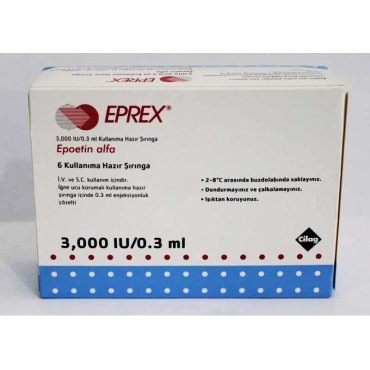
| Janssen-Cilag Eprex 3000IU in the UK |
281.00€ |
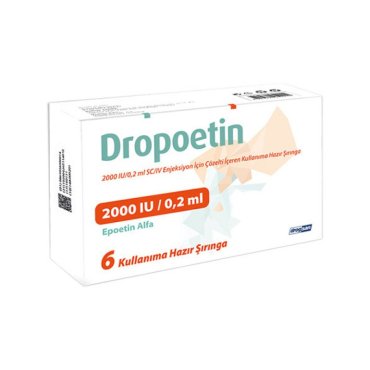
| DROGSAN Dropoetin 2000IU in the UK |
281.00€ |
| DEM ILAC Eporon 4000IU in the UK |
318.00€ |
| Sandoz Binocrit 10000IU in the UK |
478.00€ |
| DROGSAN Dropoetin 3000IU in the UK |
281.00€ |
Frequently asked Questions (FAQ) - Erythropoietin
We work only with pharmaceutical trusted producers, for example: DEM ILAC, DROGSAN, Sandoz.
You can buy Erythropoietin in budget options for only 132.00 € up to premium options for 780.00 €.
The most popular products in category Erythropoietin in 2026:
- Janssen-Cilag Eprex 3000IU in the UK
- DROGSAN Dropoetin 2000IU in the UK
- DEM ILAC Eporon 4000IU in the UK
- Sandoz Binocrit 10000IU in the UK
- DROGSAN Dropoetin 3000IU in the UK