Hormone Drugs: An Overview
Hormone drugs are a vital component of modern medicine, playing an essential role in the treatment of various conditions related to hormonal imbalances. These pharmaceuticals include synthetic or natural hormones that replicate the activity of naturally occurring hormones in the body. Common classes of hormone drugs include glucocorticoids, estrogens, progestins, and thyroid hormones, among others. Their use spans across a diverse range of medical fields—from endocrinology to oncology, gynecology, and beyond—illustrating their crucial role in healthcare.
In the market, hormone drugs contribute significantly to public health, impacting the lives of millions of consumers. They are vital for managing chronic conditions such as diabetes, hypothyroidism, and menopause symptoms, and they assist in reproductive health through treatments like hormone replacement therapy (HRT) and contraceptives. Moreover, these medications not only address critical health issues but also enhance the quality of life for many individuals, offering relief from debilitating symptoms associated with hormonal disorders.
Key Characteristics and Fundamental Principles of Hormone Drugs
Understanding hormone drugs requires familiarization with their key characteristics and the fundamental principles that govern their use. The following points outline essential aspects that are common to all products in this class:
- Mechanism of Action: Hormone drugs typically work by binding to specific receptors in the body, mimicking the effect of endogenous hormones. This interaction can modify the activity of target tissues or organs, helping to restore normal physiological function.
- Dosage and Administration: Hormone therapies can be delivered through various routes, including oral tablets, injections, patches, and gels. Proper dosages must be tailored to the individual, as excessive or insufficient dosing can lead to adverse health effects.
- Contraindications: While hormone drugs can be life-saving, certain demographics are advised against their use. These include:
- Pregnant women, as many hormone drugs can harm fetal development.
- Children, particularly during puberty, where hormonal balance is critical for normal development.
- Individuals with a history of hormone-sensitive cancers, such as some breast or prostate cancers, may face elevated risks when using certain hormone therapies.
- People with certain cardiovascular issues or clotting disorders, as the risk of thrombosis can increase with hormone treatments.
- Side Effects: Hormone drugs can lead to a number of side effects, including weight gain, mood swings, fatigue, and increased risk of certain conditions. Users should be monitored regularly.
- Long-Term Use Considerations: Extended hormone replacement therapy or other hormone-related treatments necessitates careful evaluation and monitoring due to potential long-term health impacts.
Current Trends and Developments in Hormone Drugs
The landscape of hormone drugs is witnessing rapid changes, largely due to advancements in medicine and a deeper understanding of hormonal regulation within the human body. Current trends include:
1. Personalization: There is a shift towards personalized medicine, which is allowing healthcare professionals to tailor hormone therapy based on individual genetic profiles, improving efficacy and minimizing side effects.
2. New Formulations: Innovations are emerging in drug formulation, making hormone therapy more accessible and user-friendly. Examples include new transdermal delivery systems and oral formulations that enhance patient compliance.
3. Research and Development: Ongoing research aims to explore the roles of novel hormones and hormone analogs, which may provide new avenues for treatment and improved outcomes for conditions that were previously challenging to manage.
4. Regulatory Changes: As the understanding of hormone therapies continues to expand, regulatory bodies are adapting guidelines for hormone drug approvals, ensuring that what reaches the market is both safe and effective.
The Role of Hormone Drugs in Healthcare
In summary, hormone drugs occupy a significant place within the pharmaceutical landscape. They represent a pivotal intersection of science and personal healthcare, responding to the hormonal needs of various demographics with precision and nuanced understanding. As healthcare evolves, so does the understanding of how hormone drugs can be optimally utilized to enhance well-being, quality of life, and treatment outcomes.
By bridging knowledge gaps, fostering patient-centered approaches, and prioritizing safety and efficacy, hormone drugs will continue to hold their vital space in modern medicine, catering to millions who rely on them for a healthier life. As such, understanding hormone drugs, their mechanisms, advantages, drawbacks, and ongoing developments are essential not only for healthcare providers but also for patients navigating their treatment journeys.
Hormone drugs price in BuySteroidsGroup online store
| Biaxol Supplements Anti stress (60 capsules) in the UK |
45.00€ |
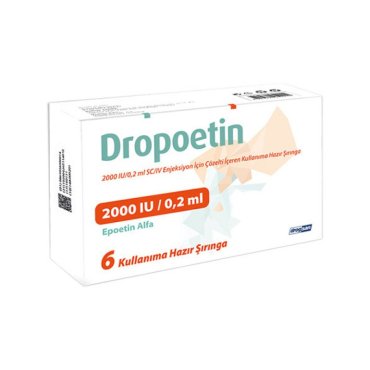
| DROGSAN Dropoetin 2000IU in the UK |
281.00€ |
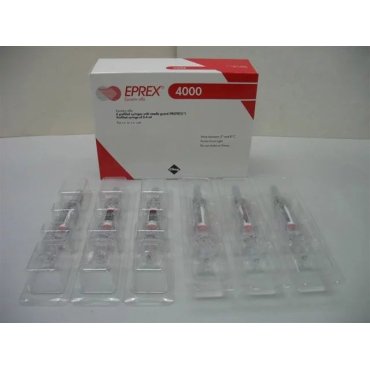
| Janssen-Cilag Eprex 3000IU in the UK |
281.00€ |
| Sandoz Binocrit 10000IU in the UK |
478.00€ |
| DEM ILAC Eporon 4000IU in the UK |
318.00€ |
Frequently asked Questions (FAQ) - Hormone drugs
We work only with pharmaceutical trusted producers, for example: Biaxol Supplements, DROGSAN, Sandoz.
You can buy Hormone drugs in budget options for only 45.00 € up to premium options for 780.00 €.
The most popular products in category Hormone drugs in 2026:
- Biaxol Supplements Anti stress (60 capsules) in the UK
- DROGSAN Dropoetin 2000IU in the UK
- Janssen-Cilag Eprex 3000IU in the UK
- Sandoz Binocrit 10000IU in the UK
- DEM ILAC Eporon 4000IU in the UK