
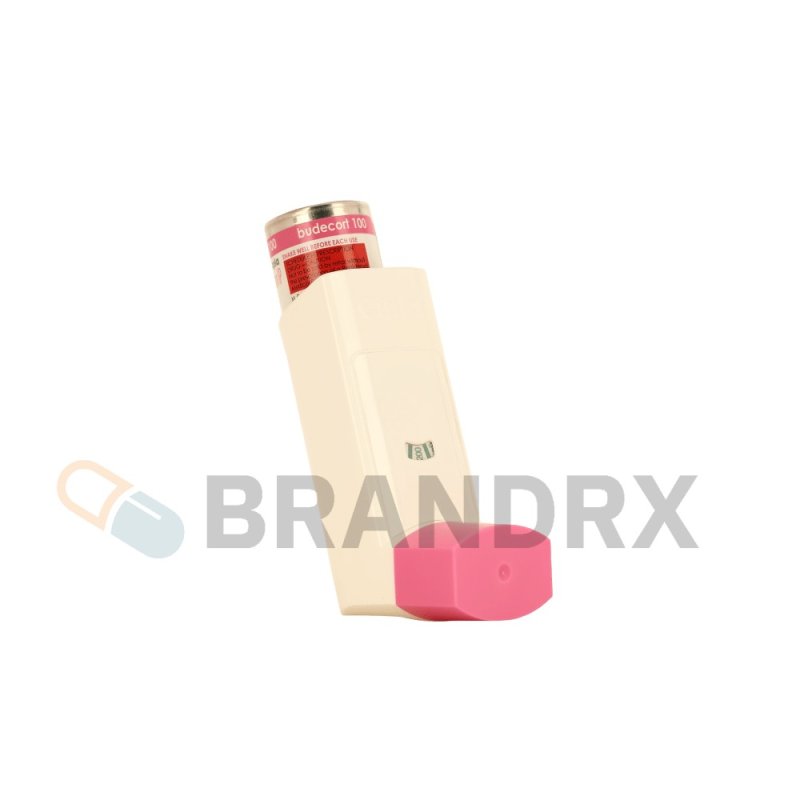
Understanding Budecort Inhaler 200 MD 100 mcg by Cipla
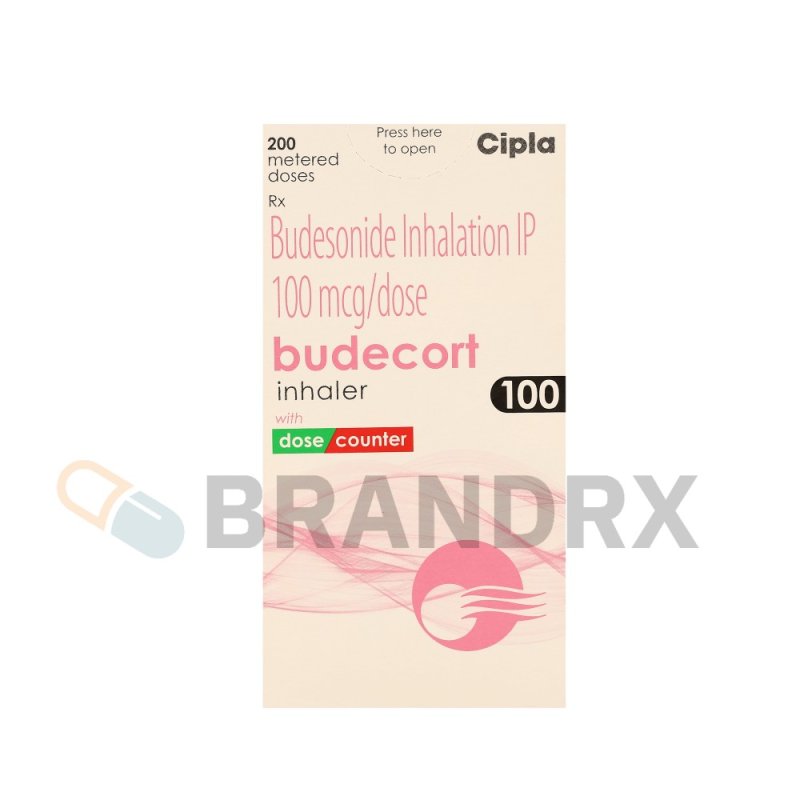
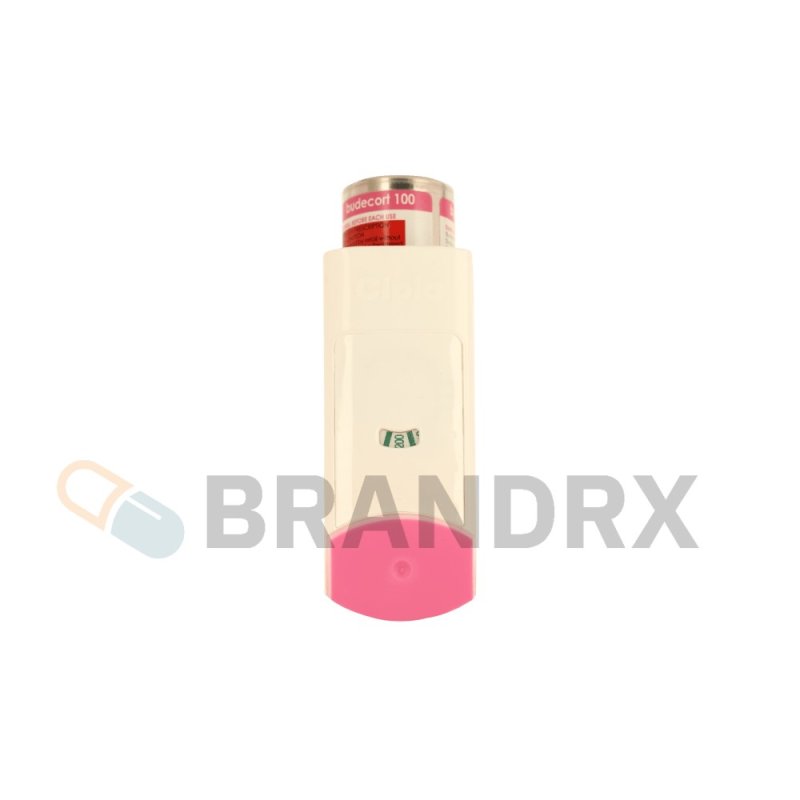
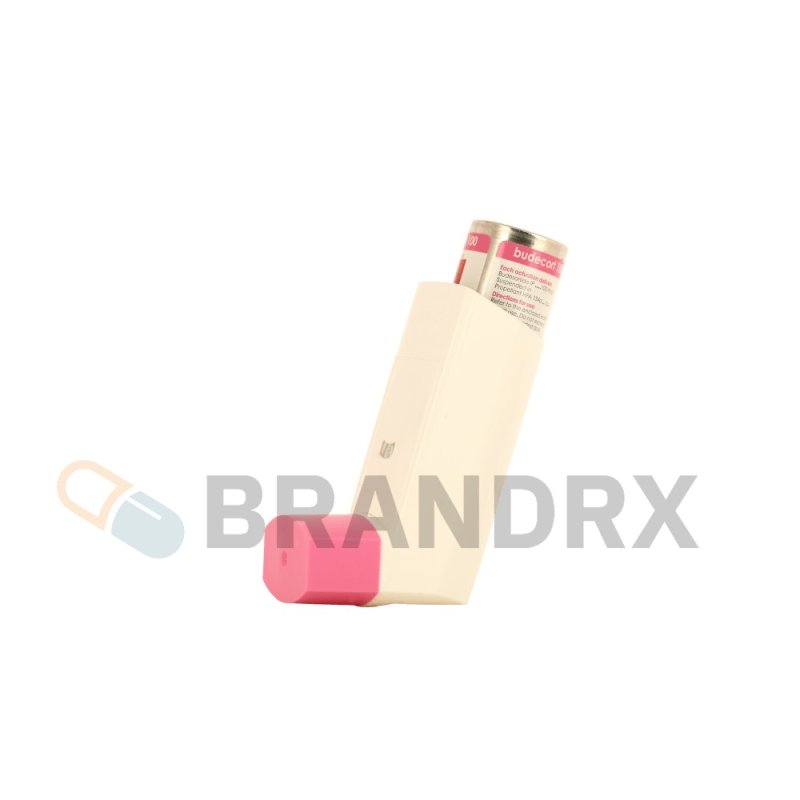
Budecort Inhaler 200 MD 100 mcg, produced by Cipla, is a widely utilized pharmaceutical inhaler primarily indicated for the management of asthma and chronic obstructive pulmonary disease (COPD). The active substance in Budecort is Budesonide, a potent corticosteroid that exerts its therapeutic effects through a well-established mechanism of action. By understanding how Budesonide works, you can better appreciate its value as a scientifically backed treatment option.
The Physiological Role of Budesonide
Budesonide plays a critical role in reducing inflammation within the airways, a hallmark of asthma and COPD. When inhaled, Budesonide binds to glucocorticoid receptors in the respiratory tract, leading to the downregulation of pro-inflammatory cytokines and the inhibition of the inflammatory response. This results in reduced swelling and mucus production, thereby facilitating easier breathing.
Moreover, Budesonide's anti-inflammatory effects extend beyond alleviating respiratory symptoms. Clinical studies suggest that corticosteroids can help in anatomical muscle adaptation, indirectly influencing muscle growth and systemic recovery rates following physical activity. Although Budesonide is not classified as an anabolic steroid, athletes often observe enhanced recovery rates, enabling them to maintain a rigorous training schedule. With this improved recovery, athletes may experience better muscle hypertrophy due to more consistent training and reduced downtime.
Influence on Metabolic Regulation
Another important aspect of Budesonide is its influence on metabolic processes. Corticosteroids are known to play a role in fat metabolism, assisting in the regulation of blood glucose levels and overall metabolic stability. While Budesonide is not specifically a fat-loss agent, its ability to foster an environment of metabolic regulation can be beneficial during cutting phases of training. Some athletes report a level of balanced energy and increased performance due to the stabilizing effects on metabolism, further enhancing their ability to sustain intense training regimens. Additionally, Budesonide has been noted for its supportive effects on natural testosterone production, possibly influencing overall hormonal balance.
Typical Dosage and Recommendations
The recommended dosage of Budecort Inhaler 200 MD 100 mcg typically starts with one or two inhalations twice daily, depending on the severity of the condition being treated. However, specific dosing should always be personalized based on individual requirements and must be guided by a healthcare provider. For beginners and intermediate users, starting with a lower dose and gradually adjusting based on tolerance and response may yield the best results. It is paramount to adhere to professional advice and limit usage to avoid potential side effects associated with overuse.
Controlled Production and Responsible Usage
Cipla, known for its commitment to quality and safety, employs controlled production processes ensuring that Budecort inhalers meet stringent regulatory standards. It is essential to be aware of possible side effects, such as oral thrush or hoarseness, and to communicate these concerns with a healthcare professional promptly. By practicing responsible usage and adhering to prescribed dosages, users can mitigate risks while maximizing the benefits of Budecort.
Maximize Your Performance Safely
If you're ready to take the next step in optimizing your training and enhancing your performance safely, consider the Budecort Inhaler 200 MD 100 mcg by Cipla. With its scientifically validated efficacy in managing respiratory conditions and supporting recovery, it's an invaluable tool in the arsenal of both casual users and dedicated athletes alike. Consult with your healthcare provider to explore how Budecort can fit into your performance strategy today.
| Features | |
| Active substance | Budesonide |
| Also known as | Budesonidum |
| Blood pressure | Typically no effect on blood pressure |
| Chemical name | (RS)-11ОІ,16О±,17,21-Tetrahydroxypregna-1,4-diene-3,20-dione cyclic 16,17-acetal with butyraldehyde |
| Dosage (medical) | Inhalation (100 to 800 micrograms per day), Oral (9 mg per day), Nasal spray (256 micrograms per day) |
| Dosage (sports) | Not applicable |
| Effects | Reduces inflammation, suppresses immune response |
| Formula | C25H34O6 |
| Half-life | 2 to 3.6 hours |
| Hepatotoxicity | Low |
| Lab Test | Not specific for standard drug tests |
| Main action | Anti-inflammatory |
| Side effects | Oral thrush, hoarseness, cough, headache, nausea, adrenal suppression |
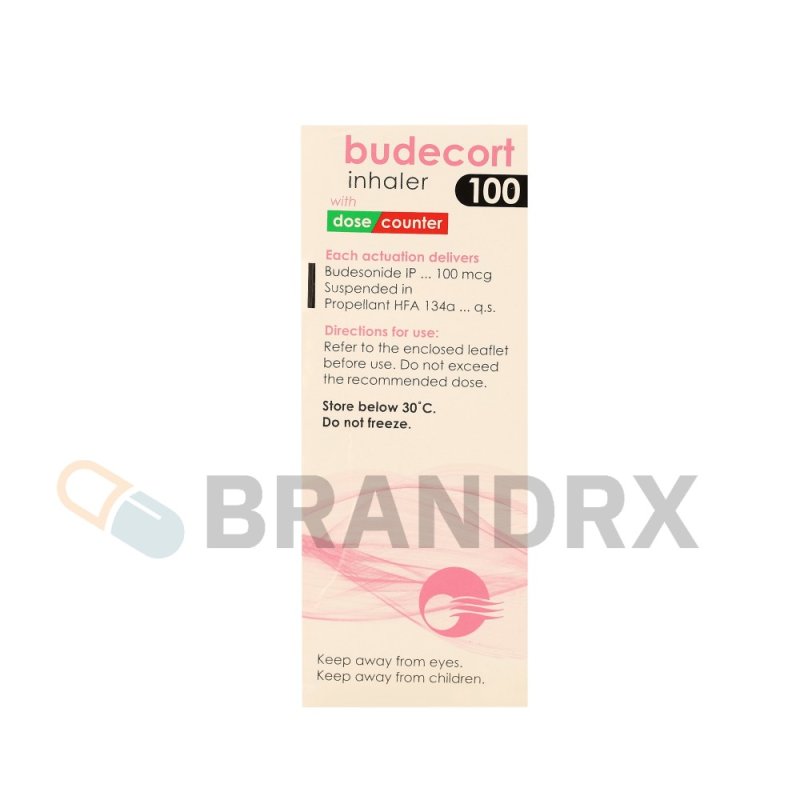
| Storage conditions | Store in a cool, dry place away from direct sunlight |
| Strength | 100mcg |
| Substance class | Corticosteroid |
| Trade name | Pulmicort, Rhinocort |
| Use in sports | Not commonly used, except for legitimate asthma treatment |
| Water Retention | Minimal |
| Manufacturer | Cipla Ltd. |
| Packing | 1 Inhaler/pack |